Crossleases were a popular way of dividing property in New Zealand from the 1960s onward, and there are still a lot of them around Auckland. If you own one, you've probably discovered that it comes with limitations, and that freeholding is the way out of them.
Here's what that actually involves.
Under a crosslease, the owners jointly own the underlying land as tenants in common, and each leases their own dwelling from the others, typically for 999 years. The layout of the buildings is recorded on a registered flats plan.
The practical effect is that you don't own your piece of land outright. You own a share of all of it, and you lease your house. Everything is entangled with your neighbours.
Control. Freeholding gives you separate title to your own parcel of land. What you do on it is your business, within the usual council rules.
Alterations. Under a crosslease, extending or altering your building means the flats plan no longer matches reality, which creates a defective title. Freehold owners don't have that problem.
Financing and sale. Some buyers avoid crossleases, and some lenders are more cautious about them. Freehold titles are simpler to sell and simpler to borrow against.
Future development. A freehold title gives you options a crosslease doesn't.
Every owner under the crosslease has to agree.
This is the single biggest obstacle, and it's worth understanding before you spend money on anything else. If there are three units and two owners want to freehold, it doesn't happen. There's no mechanism to force a reluctant neighbour.
The reluctance is usually about cost. Freeholding isn't free, and the costs are typically shared between the owners. Someone who has no intention of selling and no plans to alter their house may not see why they should pay for a change they don't need.
Our advice is to have that conversation early. It's a much better use of your time than commissioning survey work for a conversion that stalls at the first hurdle.
Freeholding is, in most respects, a subdivision that results in separate freehold titles. The work runs in roughly this order.
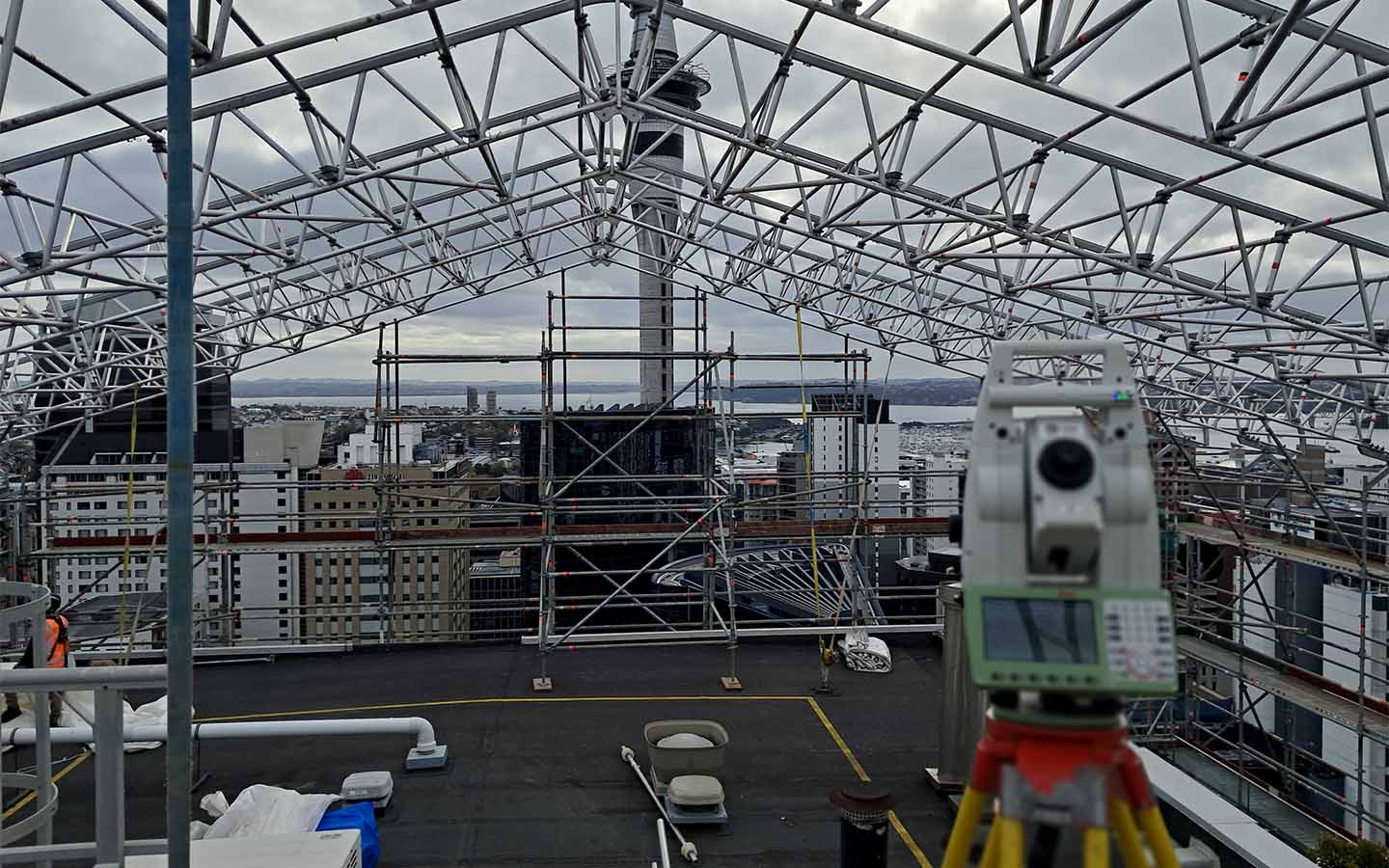
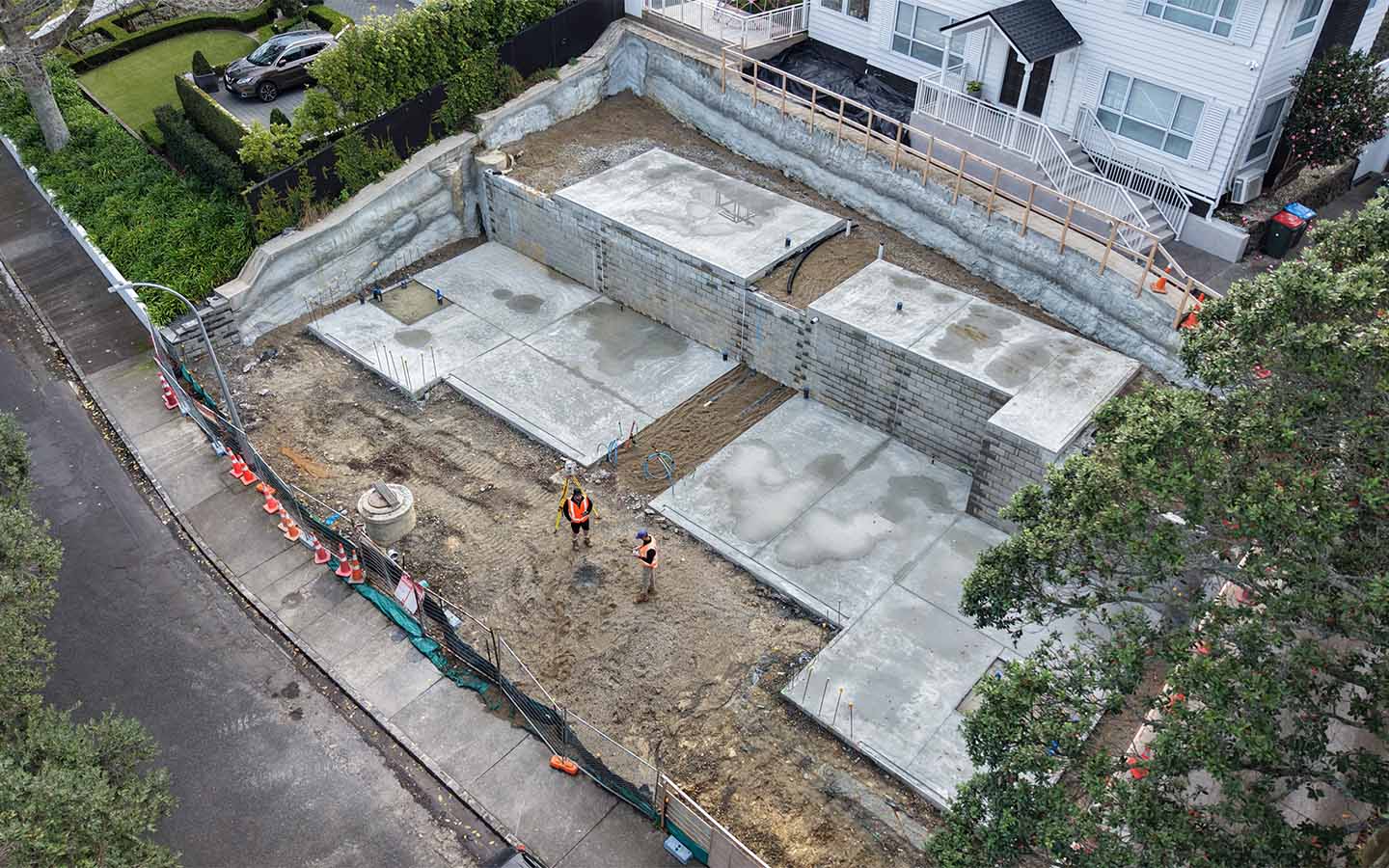
Topographic survey. We measure the site and everything on it, which gives the base plan the new boundaries are designed from.
Scheme plan. We prepare a plan showing the proposed Lot layout, so everyone can see where the new boundaries would sit. They generally follow the existing crosslease layout.
Resource consent. The application goes to council, and we work alongside planners, engineers and any other consultants the project needs. This is usually the longest stage.
Land transfer survey. Once consent is granted, we formally define the new legal boundaries, including any easements or covenants required for shared driveways, services or access.
Council certification. Sections 223 and 224c of the Resource Management Act cover council's sign-off that the survey plan matches the consent and that any conditions have been met.
Lodgement. We compile and lodge all documentation with Land Information NZ, and the new titles are issued.
Your solicitor handles the legal side of surrendering the crosslease and registering the new titles, meaning there are two professionals involved throughout the whole processs.
Shared driveways and services. Most crosslease properties have shared access, and often shared drainage. These need to be dealt with as easements on the new titles, which takes some working out.
Existing buildings close to the proposed boundaries. If a building sits close to where a new boundary would run, council rules about setbacks and height to boundary come into play. Sometimes this means the boundary has to go somewhere less convenient than everyone expected.
Defective titles. If the buildings don't match the flats plan already, that's not necessarily a problem for a freeholding project, since the whole arrangement is being replaced. But it's worth knowing about early.
Unequal areas. Freeholding usually means the land isn't divided exactly as everyone imagined, and the conversation about who gets what can take longer than the survey work.
Longer than most people expect, largely because of council timeframes. The consent process is measured in months, and can run longer if council asks for further information.
If you are freeholding because you want to sell, start well before you plan to list.
The first two steps cost nothing: talk to your neighbours, and find out whether everyone is on board. After that, a conversation with a surveyor will tell you what your particular site involves.
Tell us about your property and we'll walk you through what's realistic.